
Why plant-based?
A healthier choice.
Plant-based foods such as vegetables, fruit, legumes, nuts and whole grains are healthy. A predominantly plant-based diet offers many health benefits. Scientific research supports this. Plant-based choices may also help reduce the risk of pandemics and antibiotic resistance. Find out how on this page.

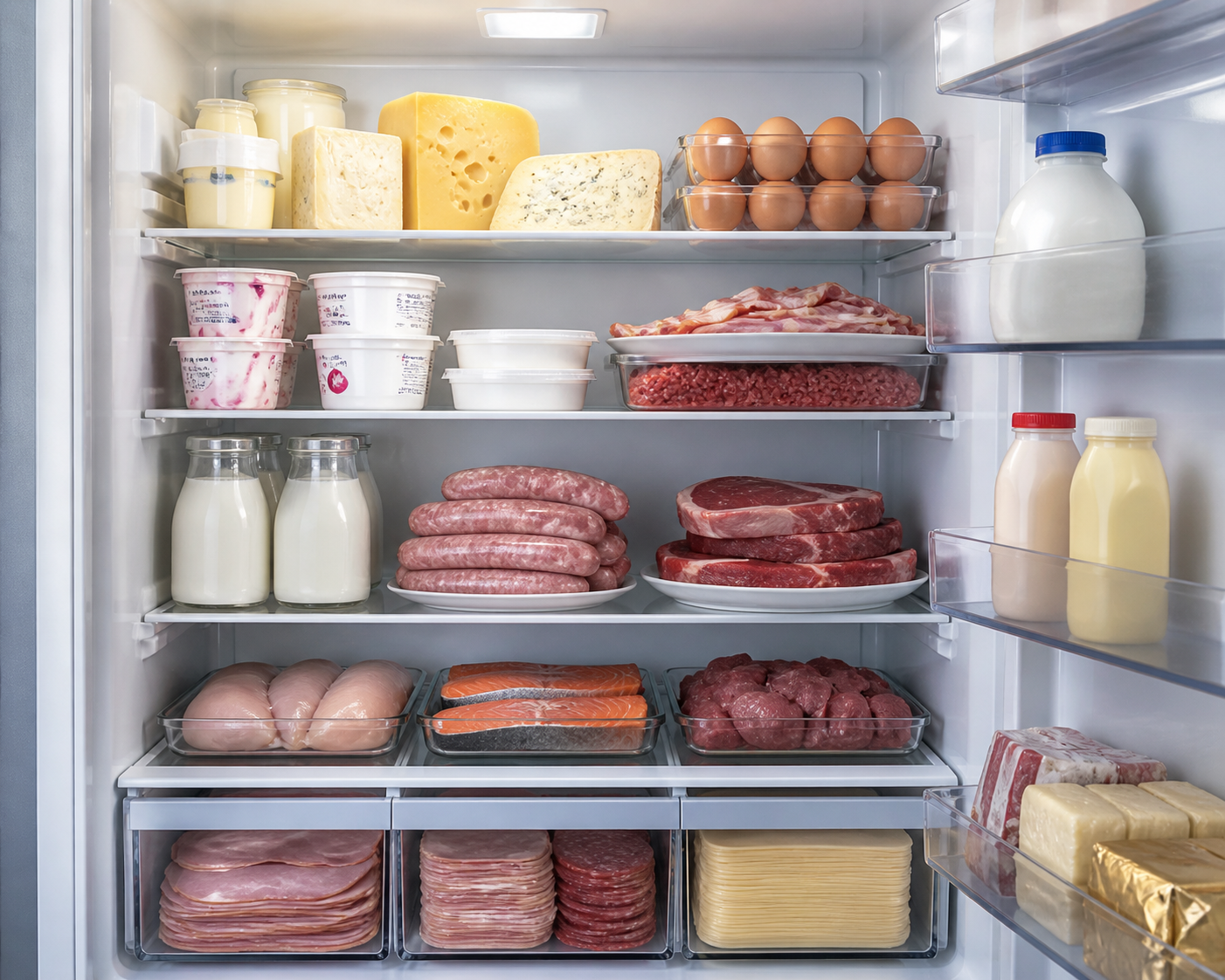
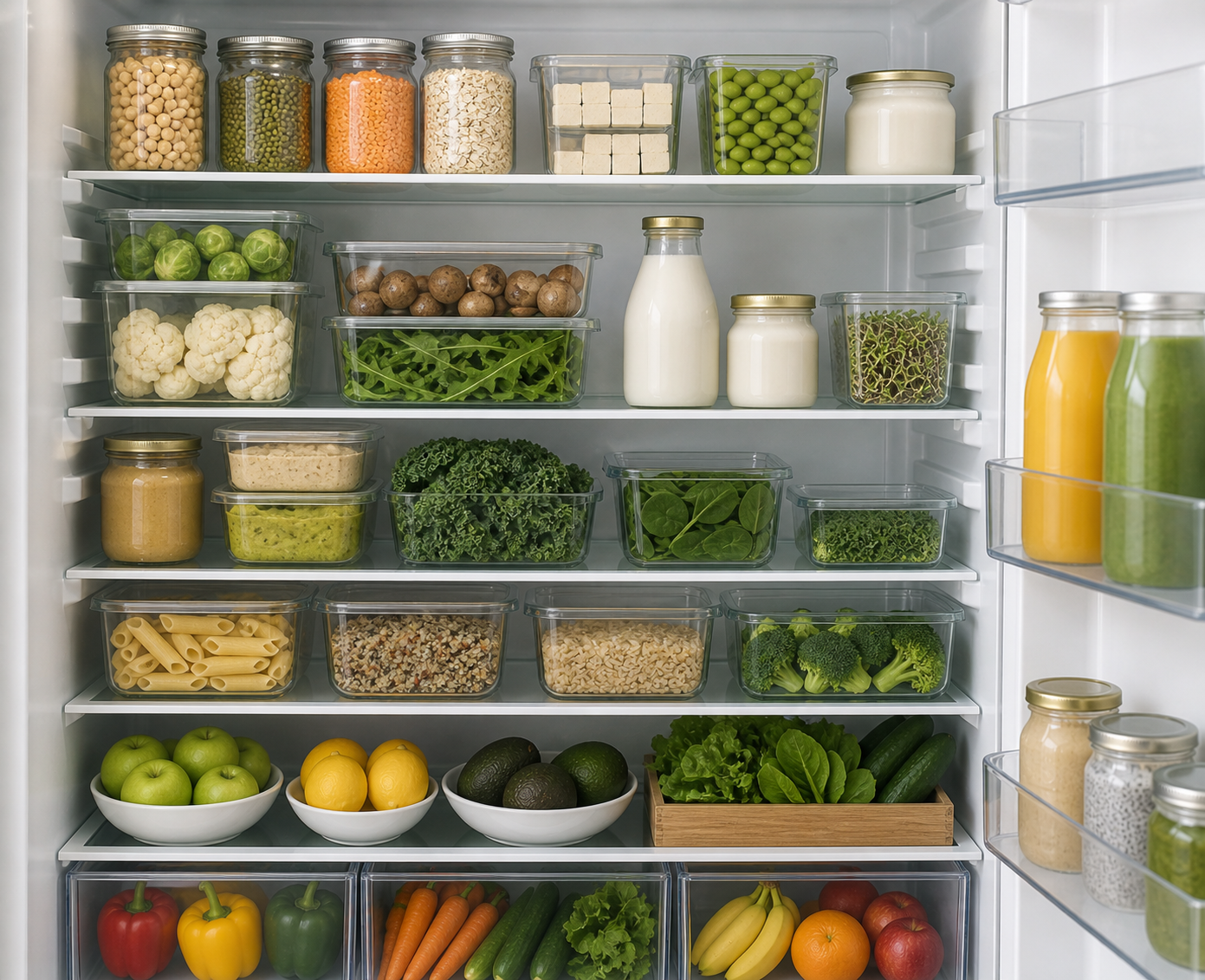
Which one looks healthier?

Cancer.
Red and processed meat are associated with an increased risk of several types of cancer, including colorectal and lung cancer. Vegetables and fruit, on the other hand, may help lower the risk of cancer.
- Heme iron in animal products is associated with an increased risk of cancer, particularly colorectal cancer.
- Cooking meat at high temperatures and processing meat can produce harmful compounds.
- Vegetables and fruit are rich in fibre and antioxidants.
Reason 1: A balanced plant-based diet lowers your risk of cancer.

Heart and cardiovascular health.
Red and processed meat are linked to a higher risk of cardiovascular disease. Plant-based foods, by contrast, can support heart health.
- Fibre helps support healthy cholesterol levels.
- Vegetables and fruit provide potassium and antioxidants.
- Eating less meat often means consuming less saturated fat.
Reason 2: A balanced plant-based diet lowers your risk of cardiovascular disease.

Type 2 diabetes
Red and processed meat are associated with a higher risk of type 2 diabetes. Plant-based foods can help support a healthy metabolism.
- Legumes and whole grains provide slow-release energy.
- Fibre helps keep your blood sugar more stable.
- Vegetables and fruit can lower your risk of type 2 diabetes.
Reason 3: A balanced plant-based diet lowers your risk of type 2 diabetes.

Food poisoning.
Food poisoning can occur with any type of food, but animal products often carry additional risks. Raw meat, chicken and cross-contamination are particularly well-known sources.
- Animal products can contain bacteria such as Salmonella.
- Cooking and hygienic food handling affect the level of risk.
- Some of these risks are lower when cooking plant-based foods.
Reason 4: Plant-based cooking lowers the risk of food poisoning.
Pandemics.
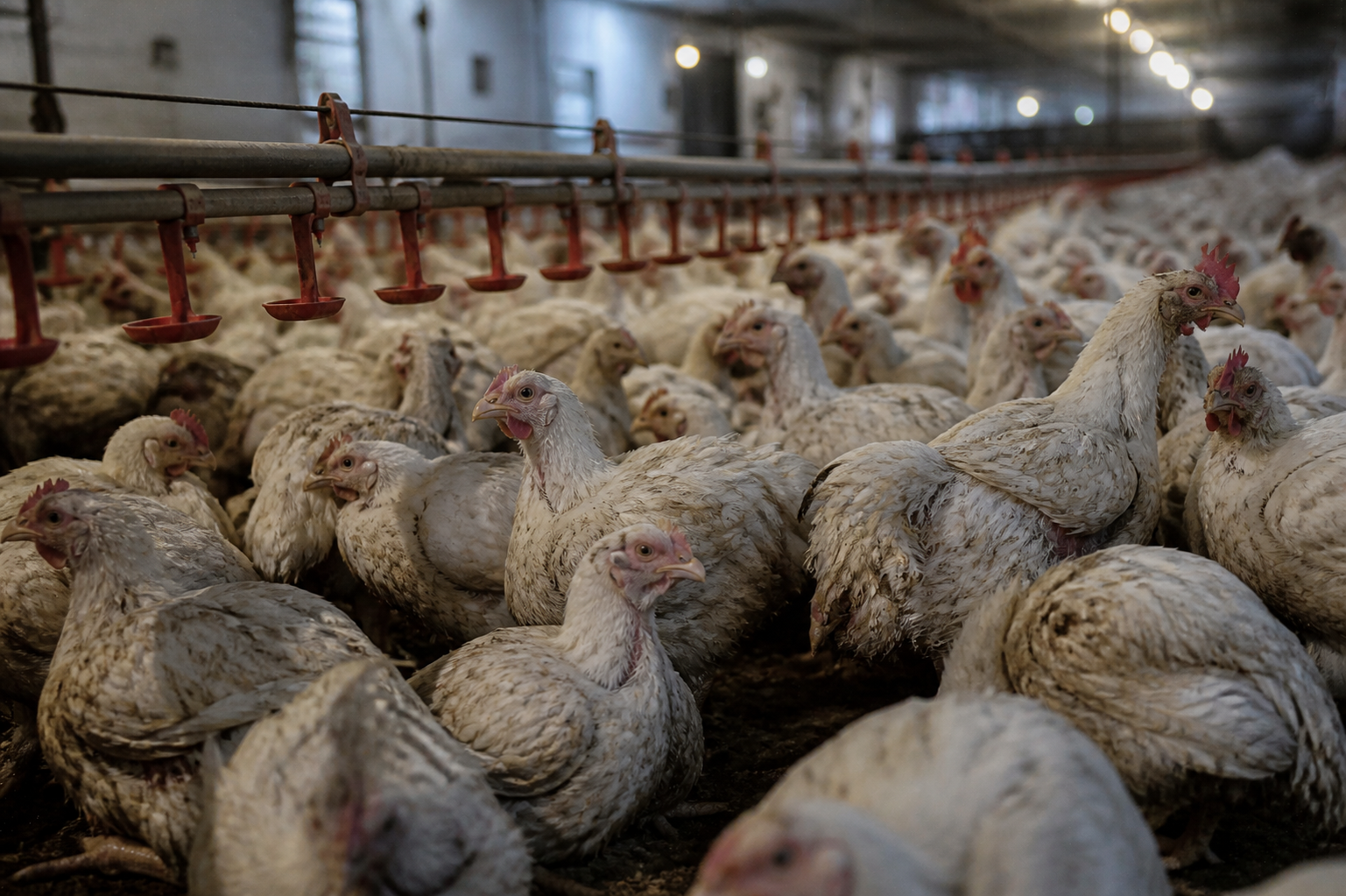
In animal agriculture, animals live in close proximity to one another. This allows pathogens to spread more quickly. Some diseases can spread from animals to humans.
- Zoonoses are diseases that can spread from animals to humans.
- Some zoonotic diseases can develop into pandemics.
- Reducing animal agriculture lowers the risk of new zoonotic diseases.
Reason 5: By choosing plant-based foods, we can reduce the risk of a new pandemic.
Antibiotic resistance.
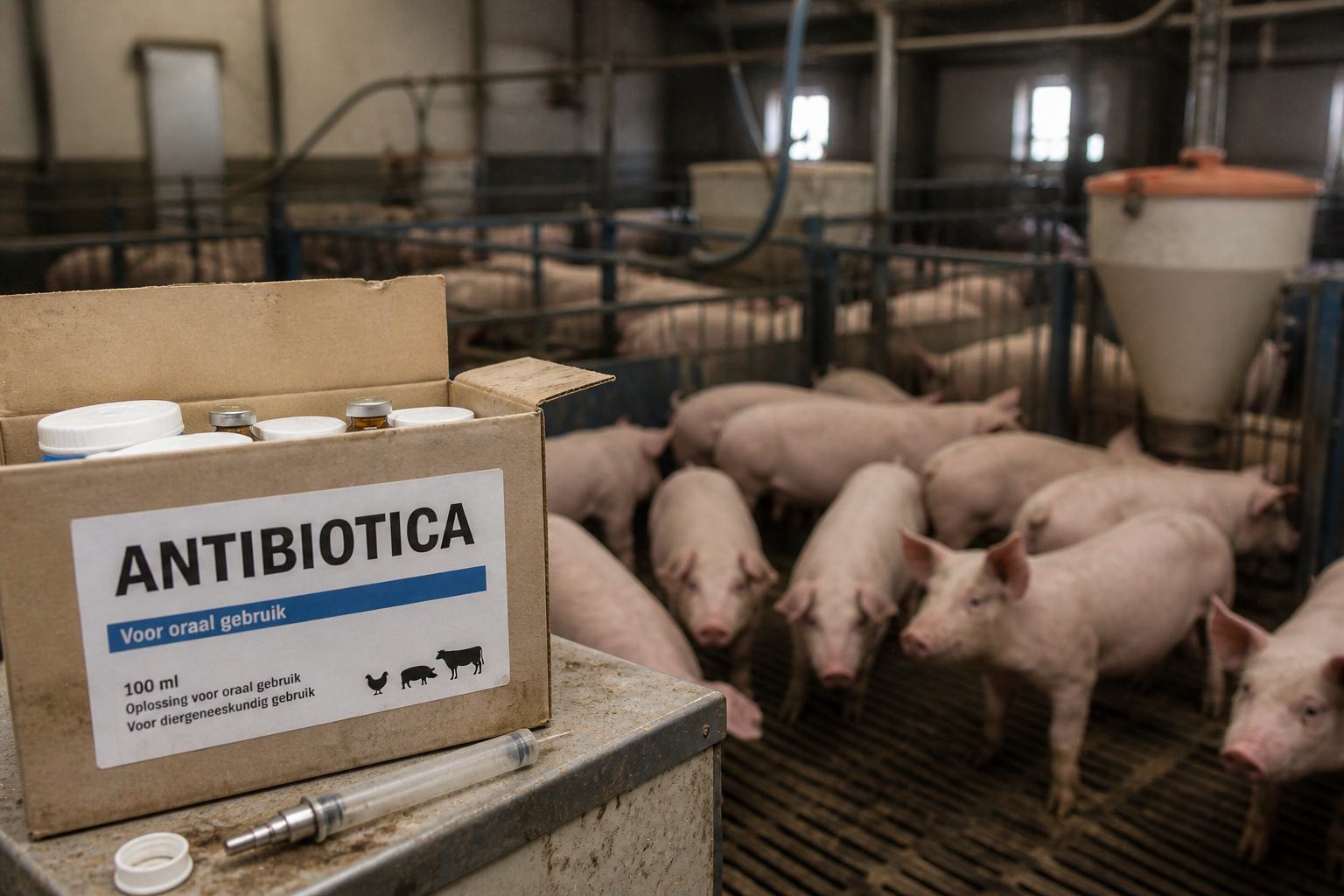
Antibiotics are used in animal agriculture to prevent or treat disease. This can contribute to bacteria becoming less susceptible to medicines.
- Resistant bacteria can affect people too.
- Antibiotics need to remain effective when they are needed.
- Reducing animal-based food production helps ease this pressure.
Reason 6: Choosing plant-based foods helps support a future in which antibiotics remain effective.
Choose health.
Eating plant-based does not have to be complicated. Every meal with more plants and fewer animal products is a step towards a healthier body and a kinder world.
Sources
Cancer
- American Institute for Cancer Research. (2024). Does Red Meat Cause Cancer?
- Aune, D., et al. (2017). Fruit and vegetable intake and the risk of cardiovascular disease, total cancer and all-cause mortality: A systematic review and dose-response meta-analysis of prospective studies.
- Cancer Council NSW. (accessed February 15, 2025). Fruit and vegetables and cancer risk.
- Cancer Council NSW. (accessed February 15, 2025). Red meat, processed meat and cancer.
- Kermanshahi, M. N., et al. (2023). Fruit and vegetable intake in relation to gastric cancer risk: A comprehensive and updated systematic review and dose-response meta-analysis of cohort studies.
- KWF. (accessed February 15, 2025). Healthy foods that reduce your risk of cancer.
- KWF. (accessed February 15, 2025). Red and processed meat and cancer.
- National Cancer Institute. (accessed February 15, 2025). Red Meat and Processed Meat Consumption.
- Nouri-Majd, S., et al. (2022). Association Between Red and Processed Meat Consumption and Risk of Prostate Cancer: A Systematic Review and Meta-Analysis.
- Vieira, A. R., et al. (2016). Fruits, vegetables and lung cancer risk: A systematic review and meta-analysis.
- Vieira, A. R., et al. (2017). Foods and beverages and colorectal cancer risk: A systematic review and meta-analysis of cohort studies.
- Varvid, M. S., et al. (2021). Consumption of red meat and processed meat and cancer incidence: A systematic review and meta-analysis of prospective studies.
- Varvid, M. S., et al. (2021). Fruit and vegetable consumption and incident breast cancer: A systematic review and meta-analysis of prospective studies.
- World Cancer Research Fund. (accessed February 15, 2025). Meat and cancer.
Cardiovascular disease
- Aune, D., et al. (2017). Fruit and vegetable intake and the risk of cardiovascular disease, total cancer and all-cause mortality: A systematic review and dose-response meta-analysis of prospective studies.
- Australian Heart Foundation. (accessed February 15, 2025). Protein and heart health.
- Bhandari, B., et al. (2022). Long-Term Consumption of 10 Food Groups and Cardiovascular Mortality: A Systematic Review and Dose Response Meta-Analysis of Prospective Cohort Studies.
- British Heart Foundation. (accessed February 15, 2025). Healthy meat: your questions answered.
- Cardiologie Centra Nederland. (2025). These vegetables keep your heart healthy.
- Hartstichting. (accessed February 15, 2025). Eat more plant-based foods and less meat and dairy.
- Maastricht UMC, Hart + Vaat Centrum. (2025). Healthy Eating.
- National Institutes of Health. (2019). Eating red meat daily triples heart disease-related chemical.
- Papier, K., et al. (2021). Meat consumption and risk of ischemic heart disease: A systematic review and meta-analysis.
- Shi, W., et al. (2022). Abstract 12322: Red Meat Consumption and The Risk of Cardiovascular Diseases and Diabetes: A Systematic Review and Meta-analysis.
- Victor Chang Cardiac Research Institute. (accessed February 15, 2025). Heart Disease & Red Meat.
- Zurbau, A., et al. (2020). Relation of Different Fruit and Vegetable Sources With Incident Cardiovascular Outcomes: A Systematic Review and Meta-Analysis of Prospective Cohort Studies.
Type 2 diabetes
- American Diabetes Association. (2025). What superstar foods are good for diabetes?
- American Diabetes Association. (accessed February 15, 2025). Nutrition & Wellness.
- Diabetes Fonds. (accessed February 15, 2025). Meat and diabetes.
- Diabetes UK. (accessed February 15, 2025). Red alert: processed and red meat.
- Gu, X., et al. (2023). Red meat intake and risk of type 2 diabetes in a prospective cohort study of United States females and males.
- Li, C., et al. (2024). Meat consumption and incident type 2 diabetes: An individual-participant federated meta-analysis of 1.97 million adults.
- Li, M., et al. (2014). Fruit and vegetable intake and risk of type 2 diabetes mellitus: Meta-analysis of prospective cohort studies.
- National University of Singapore. (2021). Does Red Meat Cause Diabetes?
Food poisoning
- Aljamali, N. M., et al. (2021). Review on Food poisoning: Types, causes, symptoms, diagnosis, treatment.
- Heredia, N., et al. (2018). Animals as sources of food-borne pathogens: A review.
- Myintzaw, P., et al. (2021). A Review on Campylobacteriosis Associated with Poultry Meat Consumption.
- Redmond, E., et al. (2018). Systematic review of the relative proportion of foodborne disease associated with food preparation or handling practices in the home.
- Rijksinstituut voor Volksgezondheid en Milieu. (2023). Foodborne infections.
Pandemics
- Hayek, M. N. (2022). The infectious disease trap of animal agriculture.
- Hinchliffe, S., et al. (2024). Understanding the roles of economy and society in the relative risks of zoonosis emerge from livestock.
- Linder, et al. (2023). Animal Markets and Zoonotic Disease in the United States.
- ProVeg International. (2020). The Food & Pandemics Report: Part 1 – Making the Connection: Animal-Based Food Systems and Pandemics.
- Zhang, et al. (2024). The impacts of animal agriculture on One Health: Bacterial zoonosis, antimicrobial resistance, and beyond.
Antibiotic resistance
- Antimicrobial Resistance Collaborators. (2022). Global burden of bacterial antimicrobial resistance in 2019: A systematic analysis.
- European Environment Agency. (2024). Veterinary antimicrobials in Europe’s environment: A One Health perspective.
- Latz, et al. (2024). Use of Antibiotics in Animal Agriculture: Implications for Pediatrics: Technical Report.
- Manyi-Loh, et al. (2018). Antibiotic Use in Agriculture and Its Consequential Resistance in Environmental Sources: Potential Public Health Implications.
- Martin, M. J., et al. (2015). Antibiotics Overuse in Animal Agriculture: A Call to Action for Health Care Providers.
- Van Boeckel, et al. (2017). Global trends in antimicrobial use in food animals.
- World Health Organization. (2019). New report calls for urgent action to avert antimicrobial resistance crisis.
- World Health Organization. (2023). Antimicrobial resistance.
- Zhang, et al. (2024). The impacts of animal agriculture on One Health: Bacterial zoonosis, antimicrobial resistance, and beyond.